Choosing a Custom Display Manufacturer for Long-Term Retail Success
Retail displays are an important part of how beauty brands present their products. They influence store organization, product visibility, and the way customers interact with different collections.
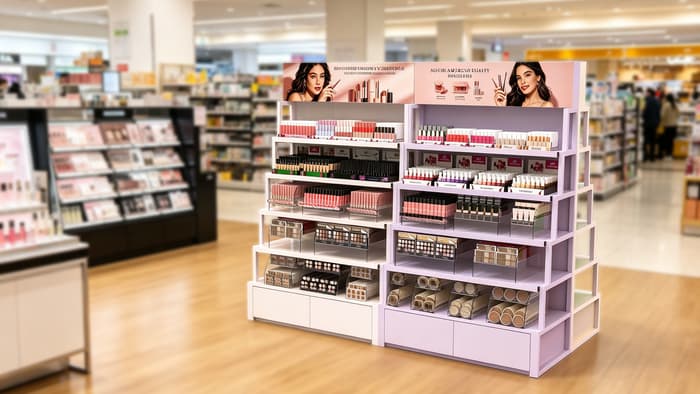
However, choosing a display manufacturing partner should involve more than comparing designs or prices. Businesses need a supplier that understands their product requirements, branding objectives, production expectations, and future retail plans.
A thoughtful selection process can help prevent unnecessary changes and support more consistent merchandising over time.
1. Review Experience With Different Cosmetic Categories
A manufacturer should understand the specific requirements of the products being displayed.
For lipstick collections, an acrylic lipstick stand can provide clear product visibility.
For complexion products, a foundation display stand can accommodate different packaging formats and shade arrangements.
An eyeliner display can organize smaller eye makeup products within a limited area.
A cosmetic brush display can provide accessible storage for different application tools.
For skincare collections, a serum display can highlight individual product lines.
A perfume tester stand can provide an appropriate space for fragrance samples.
A nail polish spinner may suit retailers with extensive color collections.
For seasonal products, a sunscreen display can make sun protection items more noticeable.
2. Examine Design and Customization Capabilities
A reliable manufacturer should be able to discuss dimensions, materials, structural requirements, and visual details.
A modular store fixture can provide flexibility when retail layouts or product collections change.
A cash wrap display can also help retailers make better use of checkout areas.
When evaluating a supplier, ask whether it can provide samples and accommodate custom display design requirements.
A professional display engineering process can help turn creative concepts into fixtures that are suitable for manufacturing and everyday use.
3. Check Branding and Quality Management
Visual consistency is especially important for beauty brands operating through different retail channels.
A Pantone color display can help maintain consistent brand colors.
Businesses should also understand how the supplier handles four-stage QC, product inspections, and packaging standards.
For growing businesses, makeup brand display solutions can help coordinate the appearance of different cosmetic categories.

4. Evaluate Large-Scale Supply Capabilities
As retail operations expand, manufacturers may need to coordinate larger orders and multiple delivery locations.
A multi location display program can help businesses manage display requirements across different stores.
For supermarkets and grocery retailers, supermarket beauty display solutions should consider existing shelving, product accessibility, and available merchandising space.
5. Compare More Than the Initial Quotation
Price is an important consideration, but it should not be the only deciding factor.
Brands should compare:
Material quality and available finishes.
Design and customization capabilities.
Sample development arrangements.
Production communication and lead times.
Quality inspection procedures.
Packaging and international shipping support.
Experience with similar retail applications.
A manufacturer offering clear communication and practical production advice may help reduce problems throughout the project.
6. Work With a Partner That Supports Your Retail Plans
Choosing the right custom makeup display manufacturer can make a difference when developing displays for different product collections and retail environments.
Weitu Display provides customized cosmetic display solutions, covering product-specific fixtures, modular systems, design services, branded manufacturing, and retail applications.
For businesses planning new product launches or expanding their retail distribution, working with a capable display partner can help establish a more consistent and practical merchandising strategy.
The best manufacturing relationship is one that supports both immediate display requirements and the brand's longer-term retail development.


Comments
Post a Comment